
Why Buy When You Can Borrow?
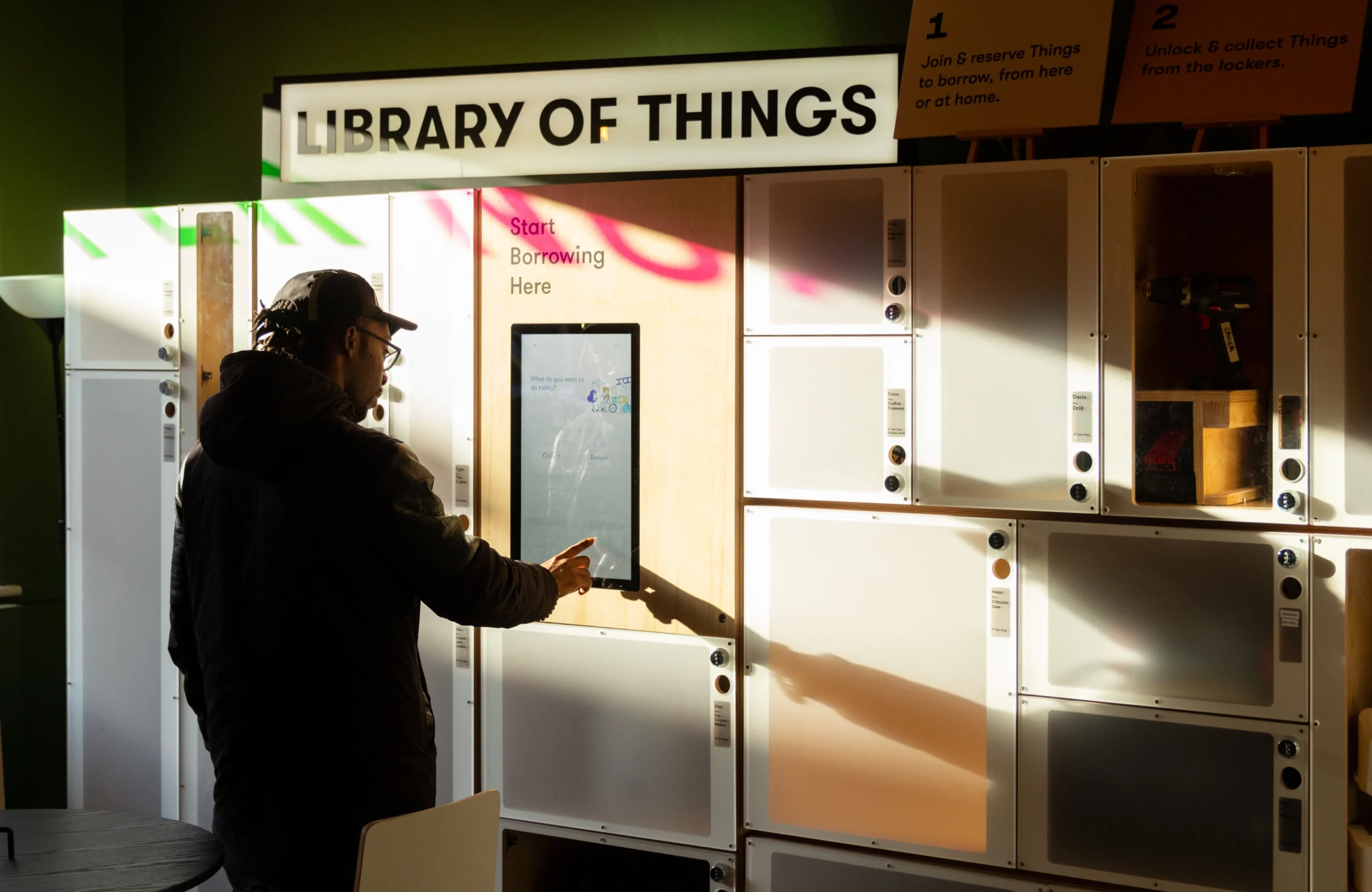
You might need a pressure washer for one afternoon. Or a drill for a weekend job. Maybe you’re planning a camping trip, but you’re not sure that sleeping under the stars is really your idea of a holiday. You could go out and buy everything you need. Or… you could borrow it.
We’re all becoming increasingly aware of the downside of our throw-away, buy-more culture. We buy things we use once or twice, then they spend the next five years gathering dust in the garage, shed or at the back of the cupboard. There is a good chance your neighbours are doing exactly the same thing.
So, what if instead of everyone owning everything, we simply shared?
Welcome to the Library of Things
When you hear the word library, you probably imagine shelves packed with books. Maybe there are magazines, newspapers, DVDs or CDs thrown into the mix. But what if the shelves were filled with… things?
Across Australia, a growing number of councils and community organisations are doing exactly that. You might have heard them called Tool Libraries, Share Sheds, Libraries of Stuff or Libraries of Things.
The idea is simple: instead of buying something you only need occasionally, borrow it from your local community. Need a drill? Borrow one. Having a party? Borrow the trestle tables, glasses, popcorn maker … perhaps even a chocolate fountain!
From clutter to community
The Sydney Library of Things is one example of this idea in action, among a network of Libraries around Australia. Established five years ago, The Sydney Library of Things now has three branches across Sydney’s northern suburbs and a collection of almost 1,000 items, with most items donated by the community.
Its motto sums up the philosophy perfectly: “Why buy when you can borrow?” And there’s a clever circularity to the whole idea. People donate things they no longer need, giving those items a second life rather than sending them to landfill. Other people then borrow those same items instead of buying something new.
One person’s clutter becomes another person’s useful resource.
You can check out the nearest Library of Things near you.
The things we don’t use very often
Think about the things sitting around your home. How often do you actually use that pressure washer? Once a year? Twice? What about the camping gear? The hedge trimmer? The carpet cleaner? The fondue set you bought for that one dinner party?
These are the sorts of things that make perfect sense to own if you use them constantly, but as our homes get smaller, the problem becomes even more obvious. Many urban residents now live in apartments without garages, sheds or a spare cupboard. Finding somewhere to store occasionally useful stuff simply isn’t practical.
Instead of asking, “Where am I going to store this?”, you can ask, “Where can I borrow one?”
And then there’s the money…
Of course, there’s another benefit … saving money. For a modest membership fee, The Sydney Library of Things allows members to borrow up to five items for two weeks. That can make a lot more sense than spending hundreds of dollars on equipment that will spend most of its life sitting unused. And sometimes you don’t even know whether you’ll like something until you try it.
Thinking about taking the kids camping? Rather than spending money on a tent, camp chairs and other equipment you’ll need – only to discover that your family would much rather be somewhere with room service – you can borrow the gear first.
Borrowing could be the new buying
Perhaps the most interesting thing about this sharing economy isn’t actually the stuff; it’s the change in mindset. For years, many people have thought the more we have, the bigger the shed, the more gadgets we own, the more successful we are. But maybe the future is about having access to more, rather than owning more.
Why does everyone need a pressure washer sitting in the garage when it might spend 360 days of the year doing absolutely nothing? And why send perfectly good items to landfill simply because you have finished with them?
A Library of Things offers a simple alternative: borrow it, use it, return it and let someone else have a turn.
So, next time you find yourself standing in a hardware store thinking, “I really need one of these…”, perhaps stop and ask yourself a different question: Why buy when I can borrow?