
Keeping Things Out of Landfill, One Repair at a Time
Think Before You Throw It Away
How often have you heard someone say, “They don’t make things like they used to!”?
In the past, many products were made by hand, with care and pride taken in making them last. When something broke, it was often designed to be opened, cleaned, oiled or repaired. If a part wore out, you could replace it and keep using the item for years to come.
Fast-forward to the 21st century, and things have changed. Many products are now mass-produced, and some are designed to make them difficult or impossible to repair. According to the manufacturer, the answer is sometimes simply to buy a new one. And in some cases, replacing an item is cheaper than fixing it. This drives consumerism on a massive scale. Seems crazy, doesn’t it!
But what happens to all those things we throw away?
There’s Got to Be a Better Way
Sending items to landfill isn’t the answer. Landfill takes up valuable space, can release harmful substances into the environment, and is filled with materials that may take decades to break down (for more information see How Landfills Work, and What Could Work Better).
Unfortunately, society has become accustomed to a throwaway mentality. When something stops working, it can seem easier to replace it than to repair it. But there is a growing movement encouraging people to think twice before throwing something in the bin. What if that broken toaster, favourite jacket or wobbly chair could be repaired? Better still, what if you could get help to fix it for free?
Your local Repair Café or repair hub could be your answer.
What Is a Repair Café?
The Repair Café movement began in Amsterdam, the Netherlands, in 2009. Since then, Repair Cafés have been popping up in community halls, libraries and neighbourhood spaces around the world, bringing people together to repair rather than replace.
Here in Australia the movement is growing too. The Bower Reuse & Repair Centre in Marrickville formed in 2014 and was Australia’s first Repair Café. More recently, local councils and community groups have been setting up their own repair hubs, making it easier for people to find help close to home.
One of the newest Repair Cafés is set to open in Artarmon at the end of October. Nearby, both North Sydney Council’s Fix-it-Hub and Northern Beaches Council’s the Fixery in Cromer have been running for over two years.
It is great to see more of these initiatives popping up in our communities! They now exist all over Australia and most can be found on the Australian Repair Network’s Map of Repair Cafés. If you can’t see one listed in your area, check your local Council’s website.
How Do Repair Cafés Work?
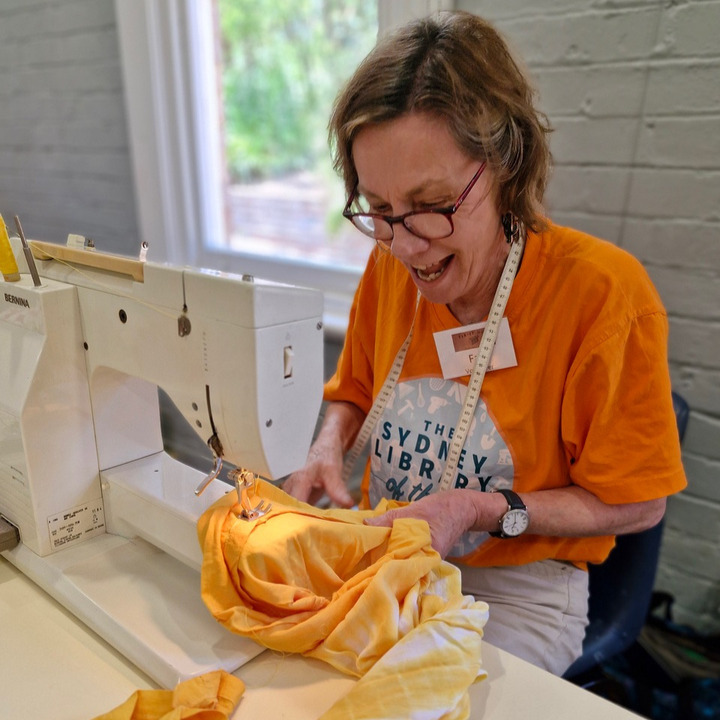
Repair Cafés rely on volunteers, and the wonderful mix of skills people bring along. From handy DIY enthusiasts to experienced sewers and electronics whizzes, there’s often someone who can help tackle a repair.
Each hub operates a little differently. Some use a booking system, allowing you to reserve a time and describe what needs fixing. Others welcome walk-ins on a first-come, first-served basis. Some open weekly, while others run once a month. It all depends on the availability of volunteers and the skills they can offer on the day.
What Can They Fix?
Every Repair Café is different, depending on the skills, but many can help with:
- Clothing repairs, sewing and mending
- Knife sharpening
- Jewellery repairs
- Small household appliances
- Furniture repairs and restoration
- Shoes and umbrellas, at hubs with specialist volunteers
If your item can’t be fixed on the day, the volunteers may be able to point you towards someone who can help.
Small Repairs, Big Results
The Fix-it-Hub and the Fixery are both affiliated with the Sydney Library of Things, which shares a similar mission – keeping useful items out of landfill.
The previous blog Why Buy When You Can Borrow? showed how The Library of Things encourages people to borrow items they need rather than buying something they may only use occasionally. Repair hubs take that same waste-reducing approach by helping people keep the things they already own in working order.
The Fix-it-Hub in Waverton and the Fixery in Cromer each operate monthly, repairing around 40–50 items at each session. Together, that adds up to approximately 80 kilograms of material kept out of landfill each month! Some items brought along for repair may even find a second life through the Library of Things, where others can borrow and continue to use them.
Giving Items a Second Life
Occasionally people bring along beautiful old pieces of furniture they have rescued from council clean-ups. These items might have ended up in landfill, but with the right skills, they can be repaired and restored. The furniture leaves looking brand new again, while the new owner leaves with a big smile.
At one repair hub, a sandwich maker was brought in that had suffered a rather unfortunate mishap. More than toasting just sandwiches, the electrical cord was badly frayed, and the plastic insulation had melted.
The sandwich maker could easily have been tossed in the bin, but instead it was brought along to a Repair Café, where a clever volunteer found a solution. A suitable cord salvaged from an iron that couldn’t be repaired was used to replace the damaged one.
Of course, all volunteers who repair electrical items must have appropriate qualifications.
Watch and Learn
Repair Cafés aren’t just about fixing things. They’re also about sharing skills, building confidence and bringing people together.
Unlike a traditional repair shop, where you might drop off an item and collect it a week later, Repair Cafés often encourage you to sit with the volunteer and watch the repair happen, and you might even get involved!
Perhaps you can hold a piece in place while a chair is repaired, or watch a sewing expert demonstrate how to mend a tear. You may pick up a few tips along the way and discover that a repair you once thought was beyond your abilities is something you could tackle yourself next time. Many repair hubs also run workshops, giving you the chance to learn practical skills and become more confident at repairing things yourself.
So, before you give up on that broken item, why not see if there’s a Repair Café near you.
International Repair Day: Repairing Unites People
International Repair Day is celebrated on the third Saturday in October, bringing repairers and communities around the world together to celebrate the value of repair.
The global theme for this year’s International Repair Day on October 17 is Repairing Unites People. Whether mending a favourite jumper, restoring an old chair or bringing a broken appliance back to life, every repair is an opportunity to connect with others and make a positive difference.
So next time something breaks, think twice before putting it in the bin. There may be a repairer nearby who is happy to help.